
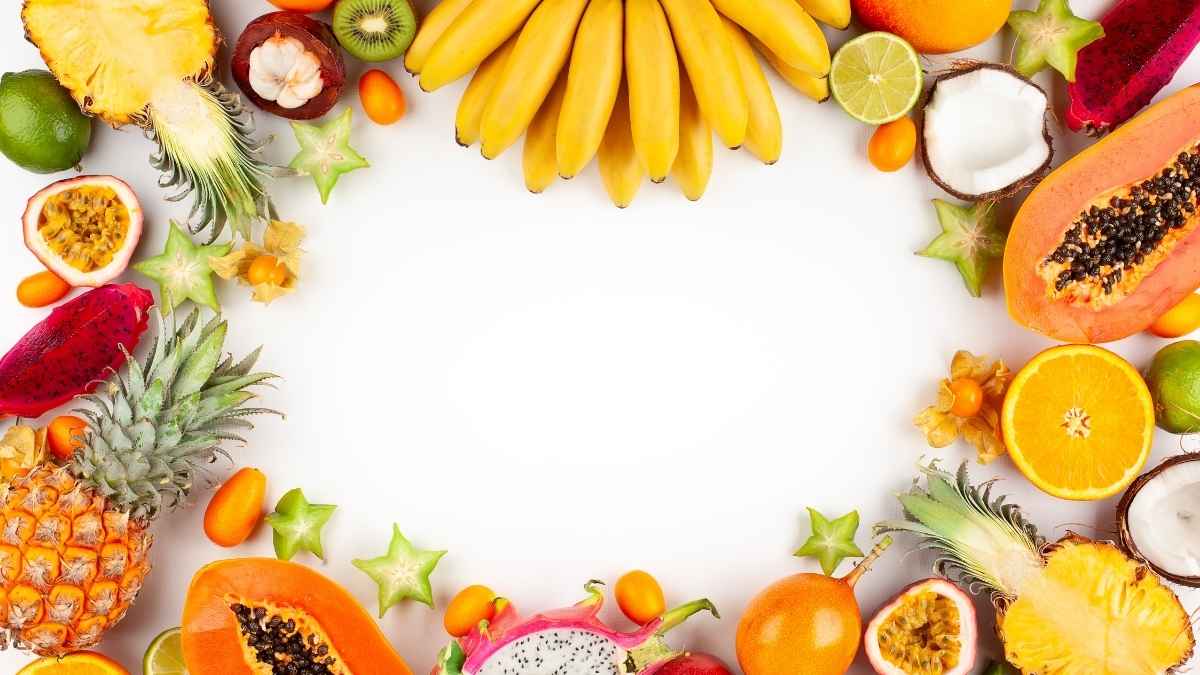
What fruit is acidic is a question many patients ask when they start noticing tooth sensitivity, enamel erosion, or acid reflux–related dental problems. What fruit is acidic matters because even healthy foods can silently damage tooth enamel when consumed frequently, especially if oral care timing is wrong.
Why Should You Care About Fruit Acidity? (Dental Perspective)
From a dental point of view, fruit acidity directly affects enamel strength. Tooth enamel begins to soften when exposed to acids below a critical pH level. Repeated exposure, without enough recovery time, can lead to enamel erosion, sensitivity, and discoloration.
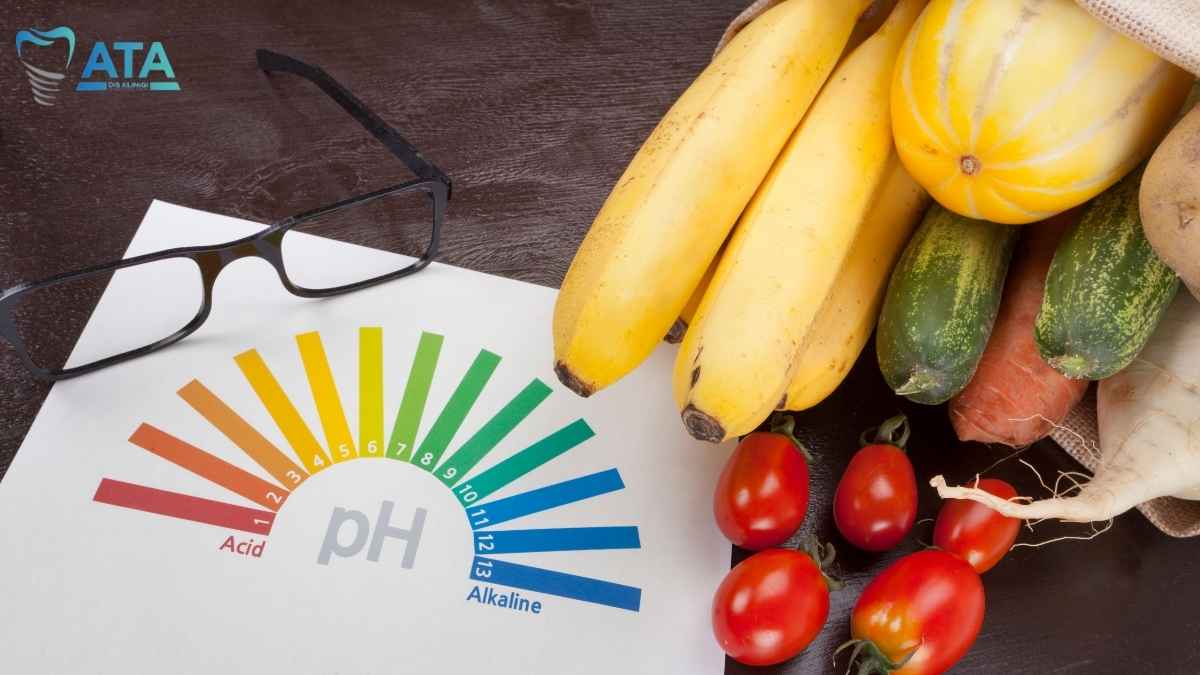
According to pH data compiled from the U.S. Department of Agriculture, nutritional database, fruits vary significantly in acidity. Below is a dental-focused overview:
| Fruit | Approximate pH Range | Dental Risk Level |
|---|---|---|
| Lemon | 2.0 – 2.6 | High erosive potential |
| Pineapple | 3.2 – 4.0 | Moderate erosive potential |
| Apple | 3.3 – 4.0 | Moderate erosive potential |
| Strawberry | 3.0 – 3.9 | Moderate erosive potential |
| Grape | 3.0 – 4.5 | Moderate erosive potential |
| Banana | 4.5 – 5.2 | Low erosive potential |
| Watermelon | 5.2 – 5.6 | Low erosive potential |
| Papaya | 5.2 – 5.9 | Low erosive potential |
Dentally speaking:
- High erosive potential (pH 2.0–3.5) → Immediate enamel risk
- Moderate erosive potential (pH 3.5–5.0) → Gradual demineralization risk
- Low erosive potential (pH 5.0+) → Tooth-friendly options
Deep Dive: Most Searched Fruits & Their pH
Are Grapes Acidic?
Yes. Grapes fall into the acidic category, with a pH typically between 3.0 and 4.5. This places them in the moderate-risk group for enamel erosion, especially when eaten frequently.
Are Strawberries Acidic?
Strawberries are acidic despite their sweet taste. Their natural acids can soften enamel, particularly when consumed alone or as juice.
Are Peaches Acidic?
Peaches are mildly acidic. While gentler than citrus fruits, they can still contribute to enamel wear over time.
Is Watermelon Acidic or Alkaline?
Watermelon is one of the least acidic fruits, making it a safer option for sensitive teeth. It is often included in lists of fruits that are not acidic.
Are Mangoes Acidic?
Mangoes are moderately acidic when unripe and slightly less acidic when fully ripe. Portion control matters.
Are Apples Acidic?
Yes, apples are acidic. Green apples are more acidic than red varieties, which can increase sensitivity.
Are Blueberries Acidic?
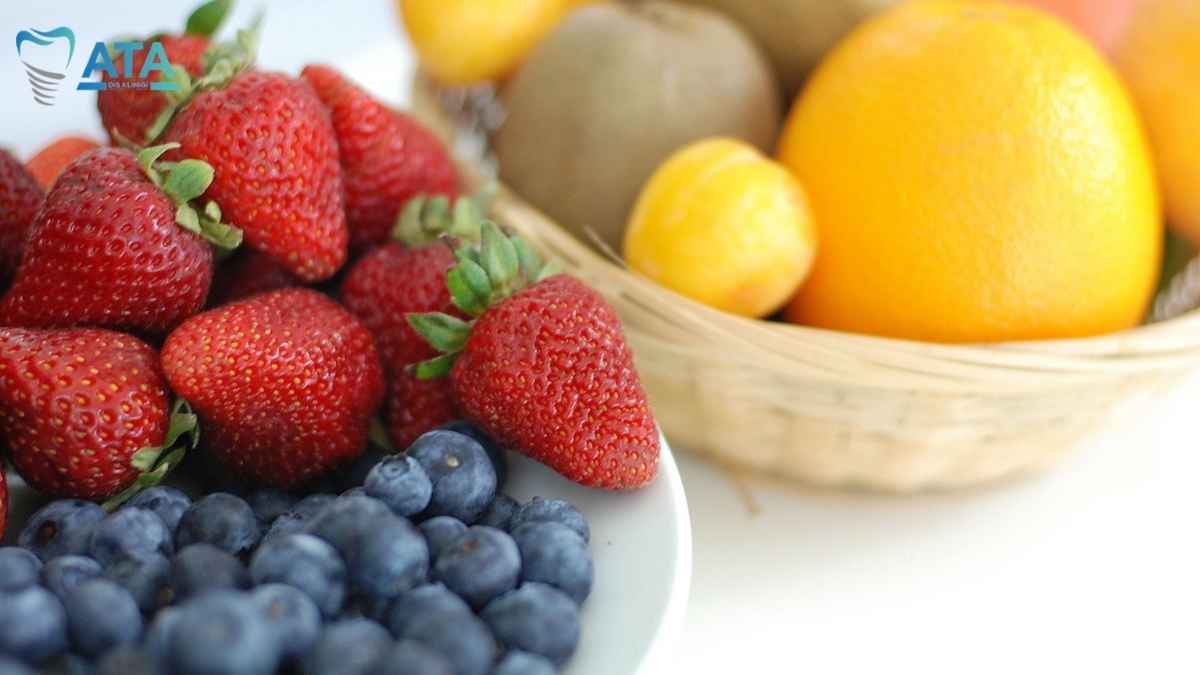
Yes, are blueberries acidic is a common question. Blueberries are mildly acidic and also contain pigments that may stain softened enamel.
Are Cherries Acidic?
Yes, cherries are acidic, especially sour varieties. They fall into the moderate-risk group.
Are Berries Acidic?
Yes. Most berries—including raspberries and blackberries—contain natural acids.
Are Kiwis Acidic?
Yes, very much so. Kiwi has a pH similar to citrus fruits and can be harsh on enamel.
Are Bananas Acidic?
No. Bananas are low-acid and considered non acid fruits.
Is Pineapple Acidic?
Yes. Pineapple is highly acidic and also contains enzymes that can further irritate sensitive teeth.
The Lemon Paradox: Acidic for Teeth, Alkaline for the Body
Lemons are highly acidic when they come into direct contact with tooth enamel, making them one of the most erosive fruits dentally. However, after digestion, lemons have an alkalizing effect on the body’s internal pH. This distinction is important: what benefits the body systemically can still harm enamel locally in the mouth.
Pro Tips to Eat Fruit Without Ruining Your Teeth
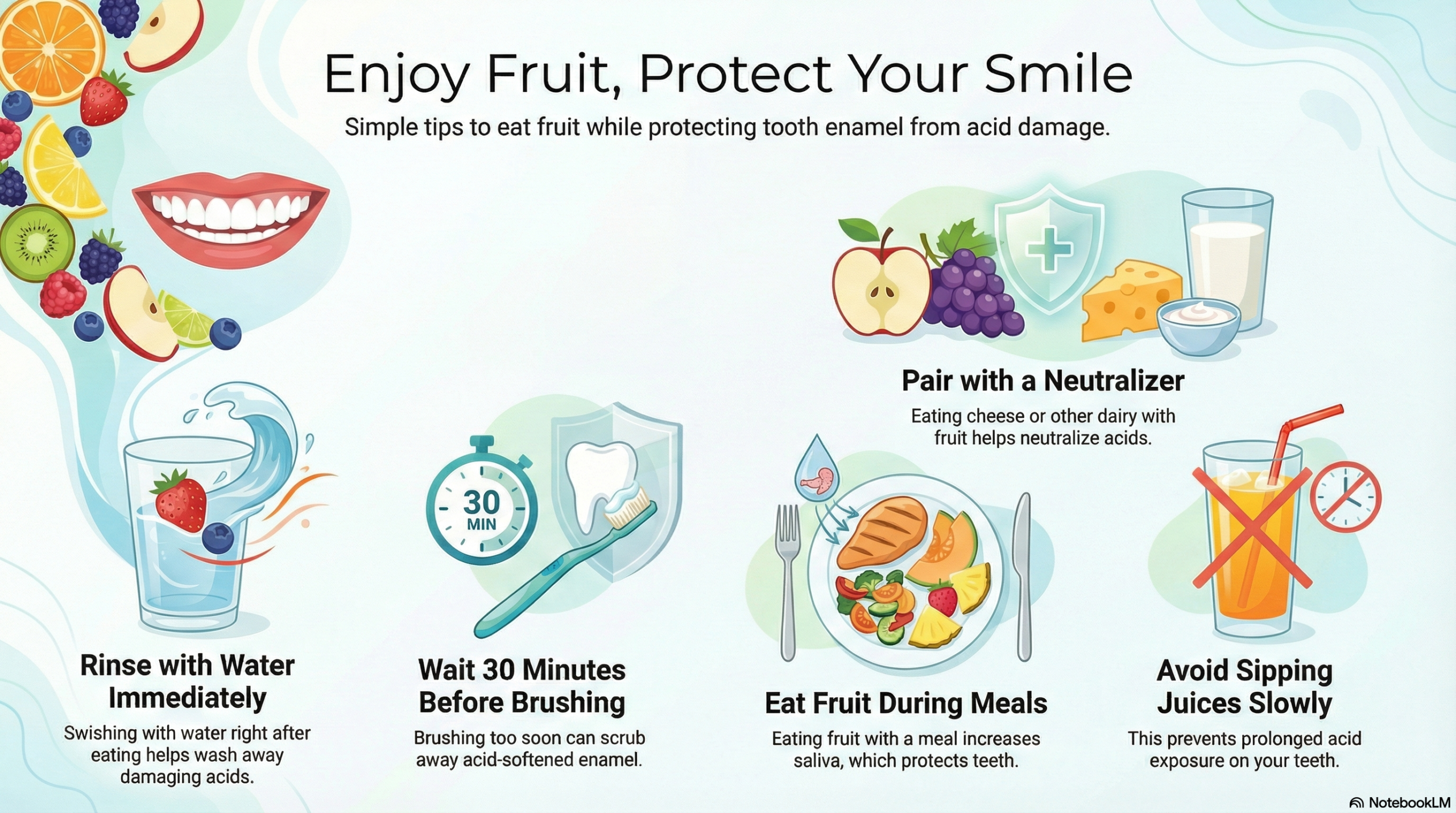
- Wait at least 30 minutes before brushing after eating acidic fruit.
- Rinse your mouth with water immediately after fruit consumption.
- Pair acidic fruits with cheese or dairy to help neutralize acids.
- Avoid sipping fruit juices slowly over long periods.
- Eat fruit during meals rather than alone.
These habits help protect enamel while still enjoying healthy foods.
Best Fruits for Sensitive Teeth & Acid Reflux
Patients with sensitivity or reflux should focus on:
- least acidic fruits : bananas, melons, and papaya
- what fruits are low in acid : pears and figs
- what are non acidic fruits that do not trigger reflux or enamel erosion : bananas, pears, watermelon, avocados, melons like cantaloupe, papaya.
These are often referred to as fruits that are not acidic or non acid fruits in dietary guides.
When to See a Specialist?
If acidity has already caused visible yellowing, thinning enamel, or extreme sensitivity, it may be time to consult a dental professional. At Ata Dental Center, we regularly treat enamel erosion cases linked to diet and acidity, offering both preventive care and advanced restorative solutions for local and international patients. Understanding what fruit is acidic helps you make smarter dietary choices but protecting your smile requires professional guidance when damage has already begun.
FAQ
Can I eat acidic fruits every day?
Yes, but moderation and proper oral hygiene timing are essential.
What fruit has the least acid?
Watermelon and banana are among the lowest-acid fruits.