
Composite bonding vs veneers represents one of the most common comparisons for patients looking to enhance their smile’s aesthetics. Composite bonding and veneers are both cosmetic dental treatments, but they work differently and suit different clinical needs. While teeth bonding vs veneers both address issues like chips or discoloration, the choice between composite bonding or veneers ultimately depends on your specific goals, budget, and the current condition of your teeth. This guide compares both treatments by procedure, cost, and longevity, including what each option costs at Ata Dental Center in Turkey.
Composite Bonding vs Veneers Quick Comparison
To help you decide between veneers vs composite bonding, here is a quick overview of how they compare across key factors:
| Feature | Composite Bonding | Veneers (Porcelain/Composite) |
|---|---|---|
| Material | Composite Resin | Porcelain or Composite Shells |
| Procedure | Single visit, direct application | 2-3 visits, laboratory work |
| Invasiveness | Minimally invasive (no shaving) | Requires some enamel removal |
| Longevity | 4–8 years | 10–15+ years |
| Reversibility | Usually reversible | Generally irreversible |
| Repairability | Easy to repair | Difficult; usually requires replacement |
| Best For | Minor chips, gaps, and stains | Significant color or shape changes |
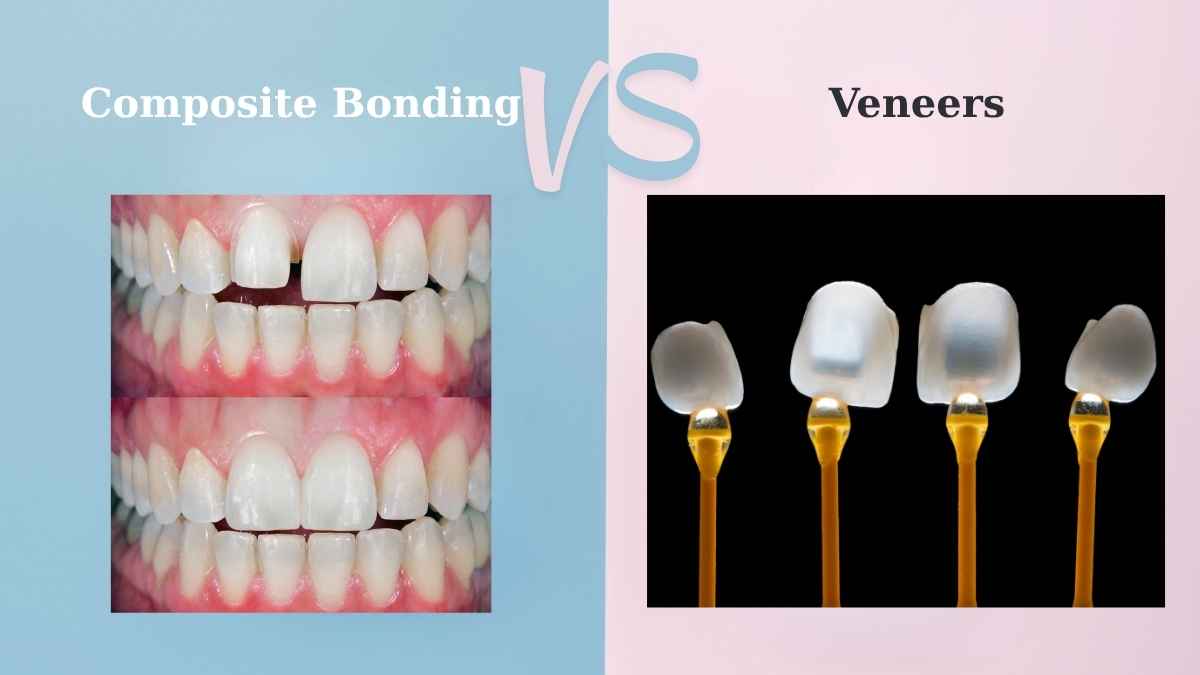
What Is the Difference Between Composite Bonding and Veneers?
Understanding the fundamental difference between composite bonding and veneers is the first step toward a smile transformation. Dental bonding vs veneers differ primarily in materials and the level of invasiveness. In bonding vs veneers, the bonding process involves applying a tooth-colored resin directly to the tooth, whereas veneers are thin shells of porcelain or composite that are custom-made in a laboratory and then bonded to the front surface. Because veneers cover the entire front of the tooth, they offer a more comprehensive transformation compared to the localized fixes typical of bonding.
Composite Bonding vs Veneers – Procedure Explained
The clinical experience for composite resin bonding vs veneers varies significantly in terms of time and preparation.

How Does Composite Bonding Work?
Composite bonding is a relatively simple procedure that can often be completed in a single session. During the appointment, the dentist prepares the tooth surface, applies the resin, and uses a special light to harden it. Because it is non-invasive, anesthesia is typically not required.
How Do Veneers Work?
In the debate of veneers vs composite bonding, veneers require a more structured process. First, a thin layer of enamel is removed to make room for the shells. Impressions are taken and sent to a lab to create the custom veneers, which are later bonded to the teeth in a second visit.
Composite Bonding vs Veneers Cost
When analyzing the composite bonding vs veneers cost, it is essential to consider both the upfront price and the long-term value.
- Composite Bonding Cost: This is generally the most affordable option initially because it requires only one session and no laboratory fees.
- Veneers Cost: Veneers have a higher upfront cost due to the materials used and the precision required in the manufacturing process.
- Long-Term Cost Comparison: While bonding is cheaper at first, it often needs renewal every 4 to 8 years. Veneers can last over 15 years with proper care, potentially making them more economical over several decades.
Composite Bonding vs Veneers Cost in Turkey
Many international patients look for Turkey composite bonding vs veneers options to take advantage of significant savings compared to the UK or USA. At a composite bonding vs veneers Turkey dental clinic like Ata Dental Center, patients can save up to 70% on their treatment costs without sacrificing quality.
Since 2001, Ata Dental Center has provided world-class care in the same location as a Ministry of Health approved facility with an International Health Tourism Certificate. We focus on informational, patient-centered care to ensure you get the best results for your investment. You can learn more about our options for composite bonding Turkey by contacting our team.
Who Should Choose Which Treatment?
Who Should Choose Composite Bonding?
- Patients looking for a fast, single-visit fix for minor imperfections.
- Those who prefer a non-invasive and reversible solution.
- Budget-conscious individuals seeking an immediate aesthetic boost.
Who Should Choose Veneers?
- Patients desiring a complete transformation, often referred to as a Hollywood smile.
- Those with deep stains or significant structural irregularities.
- Individuals seeking the most durable and long-lasting cosmetic result
Frequently Asked Questions
Do composite bonding damage teeth?
Generally, no. Bonding is a minimally invasive procedure that usually requires no removal of natural tooth enamel.
What is the difference between composite bonding and composite veneers?
Composite bonding is the direct application of resin to fix specific areas, while composite veneers are shells that cover the entire front surface of the tooth.
Is composite bonding cheaper than veneers?
Yes, the initial cost is significantly lower, though it may require more frequent maintenance.
Choosing between composite bonding vs veneers is a personal decision based on your dental needs and budget. Whether you need a quick fix or a total smile makeover, the expert team at Ata Dental Center is ready to help you find the perfect solution. Ready to transform your smile? Book a Free Consultation with us today to receive a personalized quote and treatment plan.